


With rising summer temperatures, car thermal insulation has become an essential upgrade for many vehicle owners. High-quality thermal insulation helps reduce heat inside the vehicle, protects interior components from sun damage, and improves comfort for both drivers and passengers.
A professional thermal insulation installation can make a significant difference in your driving experience by controlling interior temperatures, reducing glare, enhancing privacy, and helping maintain your vehicle’s appearance over time.
Benefits of Car Thermal Insulation
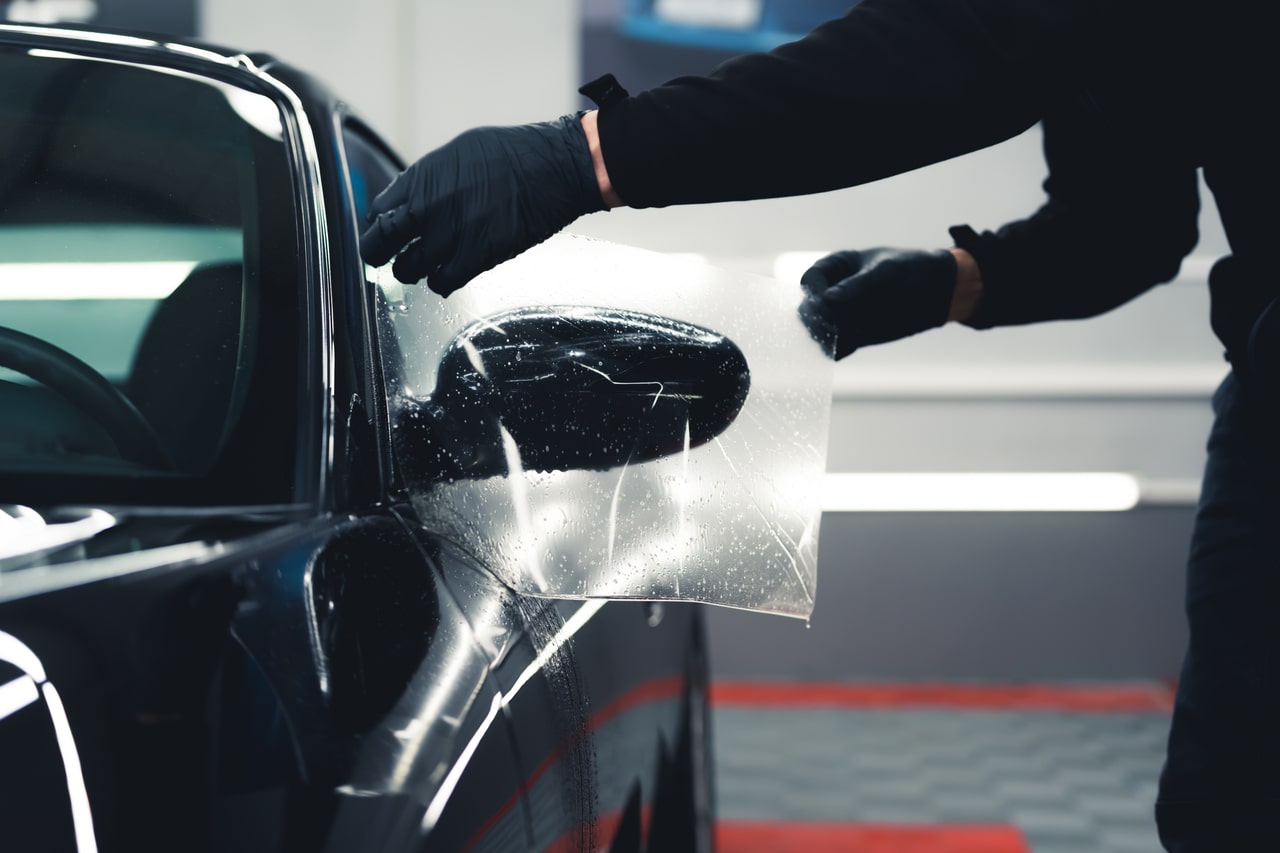
1. Reducing Interior Vehicle Temperature
Thermal insulation films help limit the amount of solar heat entering your vehicle through the windows. By reducing heat buildup caused by direct sunlight, they create a cooler and more comfortable cabin environment, especially during hot summer months.
This allows drivers and passengers to enjoy a more pleasant ride without excessive exposure to high temperatures.
2. Protecting Your Car From Harmful UV Rays
Continuous exposure to ultraviolet (UV) rays can damage a vehicle’s interior over time. Sunlight may cause dashboard materials to crack, leather seats to fade, and interior surfaces to deteriorate.
High-quality films such as 3M™ automotive window films are designed to block a significant amount of harmful UV radiation, helping preserve the condition, color, and quality of your vehicle’s interior.
3. Reducing Air Conditioning Usage and Fuel Consumption
A hotter vehicle interior requires more air conditioning to reach a comfortable temperature. Thermal insulation helps reduce heat entering the cabin, allowing the cooling system to work more efficiently.
By lowering the demand on the air conditioning system, insulation may contribute to improved energy efficiency and reduced fuel consumption during hot weather conditions.
4. Increasing Privacy and Security
Thermal insulation films are available in different shades and levels of transparency, providing additional privacy for drivers and passengers.
Certain high-quality films can also help strengthen window protection by holding glass together in case of impact, adding an extra layer of safety and security.
5. Reducing Glare and Improving Driving Comfort
Sunlight reflections, headlights, and road glare can create discomfort and affect driving visibility. Thermal insulation films help reduce glare, making driving more comfortable and reducing eye strain, especially during bright daytime conditions.
6. Protecting Interior Components
Heat and sunlight can accelerate the aging process of vehicle interiors. Prolonged exposure may lead to:
- Cracking dashboards
- Faded upholstery
- Dry or damaged leather surfaces
- Reduced interior appearance
Installing a quality thermal insulation film helps minimize these effects and extends the lifespan of interior materials.
7. Enhancing Vehicle Appearance
Window tinting can give a vehicle a modern and stylish appearance. With different shades available, drivers can select a film that complements their vehicle’s design while maintaining a premium look.
Types of Car Thermal Insulation Films
There are several types of automotive thermal insulation films, each with different materials, performance levels, and price ranges.
1. Metalized Thermal Insulation Films
Metalized films contain metallic particles that reflect solar energy and help reduce heat entering the vehicle.
Advantages:
- Good heat rejection performance
- Durable and resistant to external conditions
- Helps improve glass protection
Disadvantages:
May interfere with electronic signals such as GPS, mobile networks, and Bluetooth
Metallic appearance may not suit every vehicle style
2. Carbon Thermal Insulation Films
Carbon films use carbon particles to provide heat reduction without metallic materials.
Advantages:
- Do not typically interfere with electronic signals
- Provide good heat reduction
- Offer a smooth appearance
Disadvantages:
- Performance may vary depending on quality
- Some lower-quality carbon films may fade over time
3. Dyed Thermal Insulation Films
Dyed films are an economical option designed mainly to improve appearance and reduce sunlight exposure.
Advantages:
- Affordable
- Available in different shades
- Improves vehicle appearance
Disadvantages:
- Lower heat rejection compared with advanced films
- May fade over time
- Limited UV protection compared with premium options
4. Ceramic Thermal Insulation Films
Ceramic films use advanced nano-ceramic technology to provide high heat rejection without metallic components.
Advantages:
- Excellent heat reduction performance
- Does not interfere with electronic signals
- Long-lasting color stability
- Strong UV protection
- Premium optical clarity
Disadvantages:
Higher initial cost compared with basic films
3M™ Ceramic and premium automotive window films are among the advanced solutions available for drivers seeking strong heat rejection, UV protection, comfort, and long-term performance.
Tips for Maintaining Car Thermal Insulation
To maintain the effectiveness and appearance of your thermal insulation film:
- Clean the film regularly using products suitable for tinted windows.
- Avoid harsh chemicals, ammonia-based cleaners, and abrasive materials.
- Use soft microfiber cloths to prevent scratches.
- Avoid sharp objects that may damage the film surface.
- Do not remove or reinstall films unnecessarily, as improper removal may affect the glass and film quality.
- Choose an experienced professional installation center to ensure proper application.
For premium automotive protection, many vehicle owners choose 3M™ automotive window films, known for their advanced technology, durability, and professional-grade performance. A qualified installation specialist can help select the right film according to your vehicle needs, climate conditions, and local regulations.
Conclusion
Installing thermal insulation for your vehicle is a valuable investment that improves comfort, protects your car’s interior, enhances privacy, and helps maintain the vehicle’s appearance for years.
Choosing a high-quality solution such as 3M™ automotive thermal insulation films ensures reliable heat reduction, UV protection, glare control, and long-lasting performance. Professional installation is essential to achieve the best results and ensure compliance with local traffic regulations.
Frequently Asked Questions
What is the best transparent thermal insulation film for cars?
Premium ceramic films, such as 3M™ ceramic automotive window films, are considered among the top options because they provide excellent heat reduction, UV protection, glare reduction, and high visibility without affecting electronic signals.
Is car thermal insulation effective?
Yes. High-quality thermal insulation films can help:
- Reduce heat entering the vehicle
- Protect interiors from UV damage
- Improve passenger comfort
- Reduce glare
- Increase privacy
What are automotive thermal insulation films?
Car thermal insulation films are thin layers applied to vehicle windows to reduce solar heat transmission, block harmful UV rays, reduce glare, and improve driving comfort.