


Car rims are more than just a visual upgrade for your vehicle. They play an important role in supporting your tires, maintaining driving stability, and contributing to overall performance. Because rims are constantly exposed to road debris, dust, dirt, moisture, and harsh environmental conditions, proper protection is essential to preserve their appearance and extend their lifespan.
Whether you want to maintain your existing rims or protect a newly installed set, taking preventative steps can help keep them looking clean, polished, and damage-free. 3M, a global leader in automotive protection solutions, offers high-quality products designed to help protect vehicle surfaces and maintain their appearance.
Here are the top 7 ways to protect your car rims from scratches and damage.
1. Use Transparent Protective Films
One of the most effective ways to protect your car rims is by applying a clear protective film. Rim protection films create a durable barrier between the rim surface and external hazards such as road debris, small stones, dust, and dirt.
3M™ automotive protective films are designed to provide reliable surface protection while maintaining the original appearance of your vehicle. These films can help reduce the risk of scratches, chips, and everyday wear while keeping your rims looking newer for longer.
2. Install Rim Protectors
Rim protectors provide an additional layer of defense against scratches, especially those caused by accidental contact with curbs and pavement.
Available in different designs and colors, rim protectors can improve the appearance of your vehicle while helping prevent costly rim repairs caused by curb damage.
3. Avoid Driving on Rough Roads Whenever Possible
Road conditions have a major impact on rim durability. Driving frequently on uneven roads, gravel surfaces, or areas with potholes increases the risk of scratches, dents, and deformation.
Whenever possible, choose smoother routes and drive carefully over rough surfaces to minimize damage to your rims and tires.
4. Avoid Excessive Hard Braking
Aggressive braking can generate significant heat around your wheels and braking system. Excessive heat may affect surrounding components and contribute to premature wear.
Regular brake inspections and smooth driving habits help protect your rims while improving overall vehicle safety and performance.
5. Apply a Protective Coating to Your Rims
A ceramic coating or specialized rim protection coating creates a protective layer that helps resist dirt, brake dust, stains, and environmental contaminants.
Using a high-quality automotive protection product, such as solutions from 3M, can make routine cleaning easier and help maintain the shine and finish of your rims over time.
6. Choose Rim Designs with Raised Edges
If you are purchasing new rims, consider designs with slightly raised outer edges. These designs provide additional protection by reducing direct contact between the rim surface and pavement during accidental curb contact.
Choosing the right rim style can help improve durability while maintaining your vehicle’s appearance.
7. Check Your Tire Pressure Regularly
Proper tire pressure is essential for protecting your rims. Underinflated tires provide less protection between the road and the rim, increasing the risk of scratches, impacts, and damage.
Regular tire pressure checks help maintain proper handling, improve tire life, and protect your wheels from unnecessary stress.
Practical Tips for Maintaining Your Car Rims
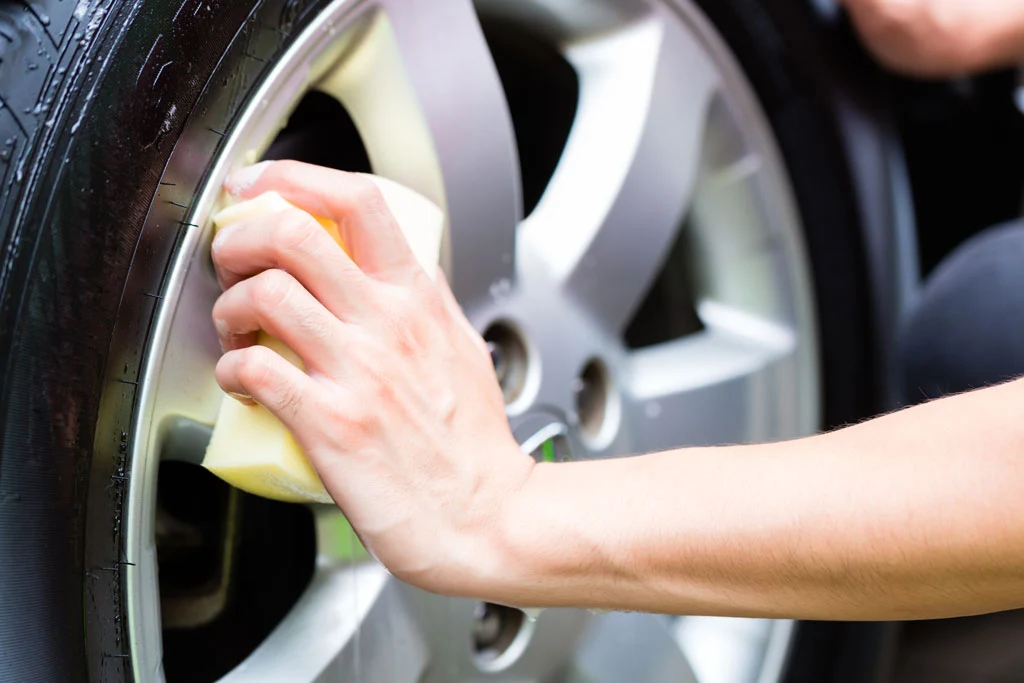
Avoid Cleaning Hot Rims
Always allow your rims to cool completely before cleaning them. Applying cleaning products to hot rims can cause the solution to dry too quickly, leaving marks or stains on the surface.
Use Rim-Specific Cleaning Products
Choose cleaning products specifically designed for automotive rims. Different materials, such as aluminum alloy or chrome rims, may require different care methods.
Avoid aggressive chemicals that may damage the finish.
Dry Your Rims Before Driving
After washing your vehicle, ensure your rims are completely dry before driving. Moisture can attract dust and dirt, reducing the clean appearance of your wheels.
Clean Your Rims Regularly
Regular cleaning prevents brake dust, road grime, and contaminants from building up. Removing dirt early helps prevent staining and long-term damage.
Avoid Harsh Brushes and Abrasive Materials
Hard brushes and abrasive cleaners can scratch the protective surface of your rims. Use soft microfiber towels, gentle brushes, and automotive-approved cleaning products for safer maintenance.
3M offers a wide range of automotive care and protection solutions designed to help maintain vehicle appearance and protect surfaces from everyday damage.
Invest in Professional Rim Protection
Applying a professional protective film or coating is a smart investment for vehicle owners who want long-term protection. These solutions help reduce exposure to scratches, dirt, corrosion, oxidation, and environmental damage while preserving the appearance and value of your vehicle.
Final Thoughts
Protecting your car rims is not only about maintaining your vehicle’s appearance. Proper rim care contributes to better performance, improved safety, and long-term vehicle value.
By following these seven protection methods and using trusted automotive protection products from brands such as 3M, you can keep your rims looking cleaner, shinier, and more durable for years to come.
Frequently Asked Questions
Do rims affect car performance?
Yes. Rims can influence vehicle stability, handling, fuel efficiency, and driving comfort. The wrong rim size or damaged rims may cause vibrations and negatively affect driving performance.
How can I tell if my rim has a problem?
Common warning signs include vibrations while driving, uneven tire wear, repeated tire pressure loss, or visible bends and cracks in the rim. These issues should be inspected by a professional.
How should I clean my car rims?
Use a rim-specific cleaner and a soft brush or microfiber cloth to remove dirt and brake dust. Rinse thoroughly with clean water and dry the rims completely to prevent water spots and residue.